
As a neighbouring country with a reputation of tolerance, the Netherlands was seen as an Einwanderungsland (country of immigration) for tens of thousands of German-speaking Jews during the 1930s. Estimates of the number of them seeking refuge in the Netherlands between 1933 and 1940 are hard to give. They vary from about 24,000 to 50,000, the large majority being Germans, although there were also Jews from Austria, Poland, and other countries in Central and Eastern Europe among them. By 1941, about 15,000 of these refugees still resided in the country. More than 100,000 Jews who were deported from the Netherlands during the Nazi occupation, including refugees, were murdered in the Shoah – by far the highest relative figure in Western Europe.
Due to its important port cities and its close proximity to Germany geographically, culturally, and linguistically, the Netherlands functioned as a temporary safe haven for many Jews from across the eastern border. They often sought to travel further, mainly to the Americas but also, for example, to Great Britain and Mandatory Palestine. Yet, although predominantly considered a site of transmigration, the Netherlands was a country of considerable sociocultural significance within the longer historical context of the German-Jewish diaspora. It had always received a large influx of immigrants from German lands, and vice versa. Transnational family and business networks ran back a long time. After World War II, survivors who returned to or had remained in their country of refuge quickly integrated into Dutch society.
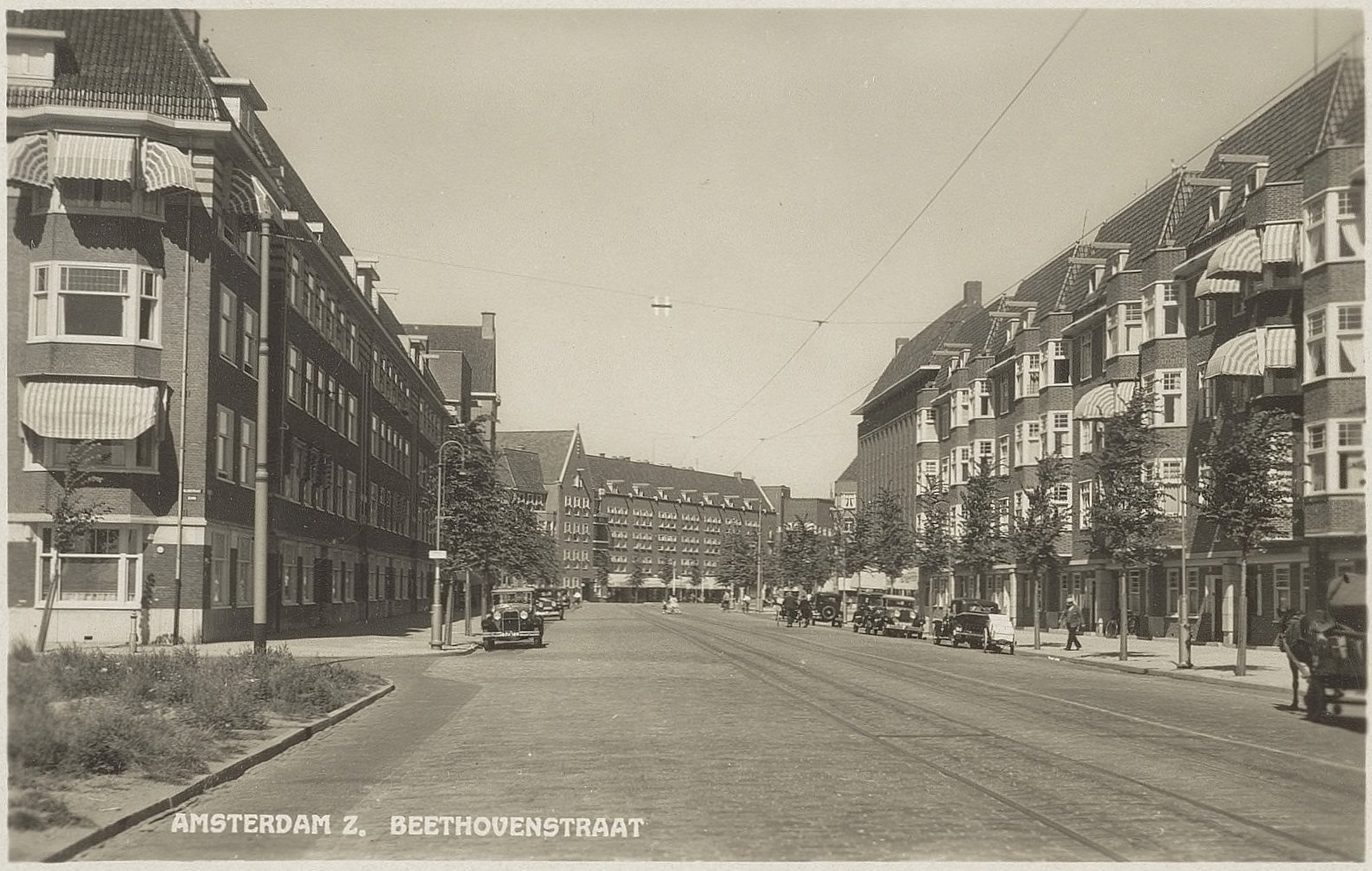
Fig. 1: The Beethovenstraat in the south of Amsterdam, where many immigrants settled, around 1935; Stadsarchief Amsterdam, Beeldbank.
The Low Countries received a constant stream of immigrants from German lands over the centuries. Among them were Ashkenazi Jews, often working in trade, who came in small numbers in medieval times but grew into the numerically largest Jewish group in the Dutch Republic during the early modern period. In the nineteenth century, Germans migrating for labour reasons formed the largest immigrant group in the country: between 1.5 and 2 per cent of the total Dutch population, which grew from about 2.5 million at the beginning of the century to around 5 million around 1900. Economic ties between Jews in the Kingdom of the Netherlands and their German-speaking counterparts also continued to be strong, especially in border areas, such as in the north of Groningen and in the Twente and Achterhoek regions. Moreover, shared cultural and intellectual traditions fostered, among other things, transnational and rich professional fields such as the book industry and the music and theatre worlds. At this time, the majority of the Dutch chief rabbis even came from Germany. Significant sociocultural gaps nevertheless also lay between the two countries. In religious matters, German Jews looked westwards with some bewilderment, frowning at the conservatism that prevailed in the Dutch Orthodox Ashkenazi communities. In addition, Dutch Jews had received civil rights comparatively early, in 1796, whereas Jews in most of the German states were only fully emancipated after the mid-nineteenth century. Nevertheless, German Jews were well integrated into the bourgeoisie, whereas Dutch Jewry was also defined by a large labour class.
From the second half of the nineteenth century, the phenomenon of the refugee became increasingly common throughout Europe. Successive waves of pogroms in the Russian Empire, between the killing of Tsar Alexander II (1818–1881) and the beginning of World War I in 1914, caused large numbers of Eastern European Jews to come adrift. Many who first tried to settle in Germany – or subsequent generations in the decades thereafter – eventually travelled onwards, including to the Netherlands, from which most transmigrated to the ‘New World.’ In Germany and the Netherlands alike, many upper and upper-middle-class Jews saw it as their duty to come to the aid of their coreligionists from Eastern Europe.
After World War I, in which the Netherlands remained neutral, thousands of children from Germany, Austria, and Hungary came to the country to convalesce, including Jewish children. Many of these Jewish ‘holiday children’ (vacantiekinderen), predominantly girls, were adopted by Dutch Jewish families and ended up marrying Dutch men in adulthood. Subsequently, with the growth of the Dutch economy during the 1920s, the number of foreigners (called ‘aliens’) in the Netherlands doubled. Before the economic crisis of the 1930s, when the country closed its borders to both migrant workers and refugees, and labour opportunities for Dutch workers abroad were restricted, between 50 and 60 per cent of these foreigners held German citizenship (a total of 102,000 people in 1930).
German Jews fled to neighbouring countries such as the Netherlands first after Adolf Hitler (1889–1945) came to power, hoping that at one point they would be able to return. The centre-right Dutch government, however, at this time dominated by confessional parties, was reluctant to let Jewish refugees into the country. Similar to other Western European governments, its main concerns were protecting the Dutch labour market – between 10 and 20 per cent of the working population was unemployed at the time – as well as preventing political unrest and the provocation of latent antisemitism. Before 1939, refugees who were deemed not to be in mortal danger, were labelled as mere ‘economic refugees’ and sent back. Racist categories such as ‘Aryan,’ ‘full Jew,’ ‘half-Jew’ and ‘quarter-Jew’ implemented by the Nazi regime in their neighbouring country were uncritically copied by Dutch officials in their administration. Moreover, due to (former) bilateral agreements between the Netherlands and Germany, discriminating distinctions were made between German Jews and so-called Eastern Jews (‘Oostjoden’) even when they had been born or raised in Germany. Still, most of the migrants, who came in 1933 could enter the country relatively easily. From 1934, however, immigration policies became gradually stricter and turned these migrants into refugees. In spring 1938, Jewish refugees were officially declared ‘undesirables’ and the border was practically closed. This state policy affected increasing numbers of Jews from Austria after the Anschluss in March 1938. The harsh protocols were only temporarily alleviated after the November pogroms. The border closed again at the outbreak of war in Europe in September 1939.
On the whole, German-speaking Jews who fled to the Netherlands were expected to support themselves or be supported by relations or Jewish institutions. Like elsewhere in Europe, due to budget cuts and high unemployment rates, there were limited funds to accommodate the shelter of (poorer) refugees. The Comité voor Bijzondere Joodsche Belangen or CBJB, set up in 1933, and its subdivision, the Comité Joodsche Vluchtelingen (CJV), however, played an important role in arranging the existing aid. From the end of 1938, the CJV was also responsible for the preselection of Jews who were permitted entry into the country. They negotiated between the Ministry of Justice – which made the final decision – and the applicants. Leading figures such as David Cohen (1882–1967) and the German-Jewish Gertrude van Tijn (1891–1974) played an important role in the CJV. There were also aid organisations of Jewish or other signatures for specific groups of refugees, such as for converted Protestants or Catholics, political activists, doctors, academics, students, and children. These organisations were assisted by international Jewish organisations such as the American Jewish Joint Distribution Committee (Joint), but were mostly funded through individual gifts of Jewish and non-Jewish Dutch citizens. Dutch Jews supported refugees through established or new relief organisations, as well as on a personal level. The Jewish writer Herman de Man (1898–1946) and his wife Eva Kalker (1905–1942), for example, had a special designated guest room at their villa Vredendaal in Berlicum in which they sheltered Jewish refugees.
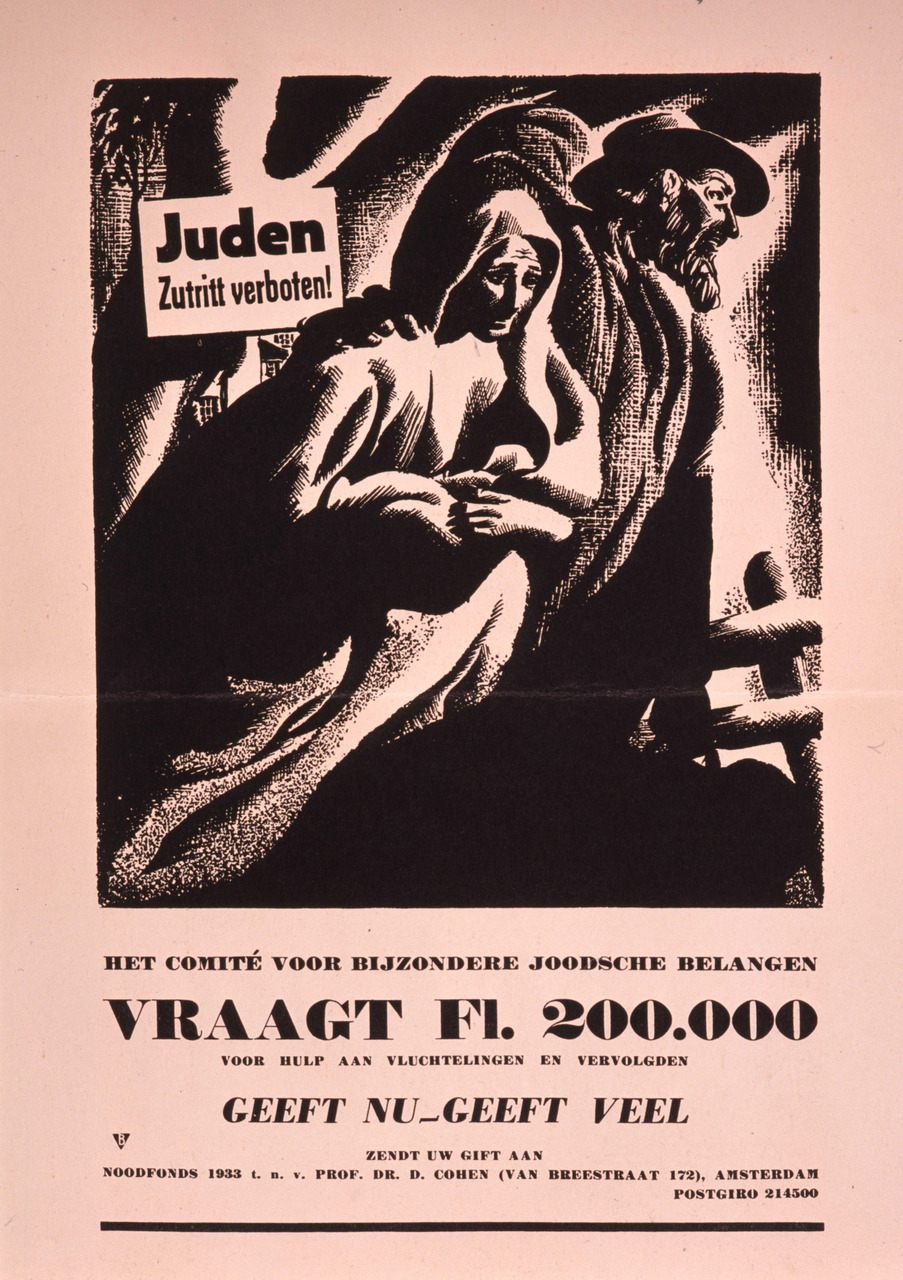
Fig. 2: Poster of the Comité voor Bijzondere Joodsche Belangen (Committee for Special Jewish Interests) calling for donations in support of Jews who had fled from Germany, 1933; WWII Image Bank, NIOD.
Most refugees who did not have a place to go to initially ended up in temporary shelter facilities and, from 1938, also in barracks camps initiated by the Dutch government and financed by Jewish refugee committees. By 1939, there were 36 of these facilities throughout the Netherlands. For legal refugees, this included, for example, the existing Quarantaineterrein Heijplaat in Rotterdam and Quarantaine Station Llyod Hotel in Amsterdam, and a small camp in the municipality of Hellevoetsluis near Rotterdam. There were also designated places for illegal refugees who were caught by the border police being smuggled over the border, as well as for families and for men alone. Children were brought to institutions such as orphanages and youth hostels, such as Het Dommelhuis in Eindhoven and De Kleine Haar in Gorssel near Deventer. Hundreds of Kindertransport children eventually ended up staying with Dutch foster families, where others were brought to other European destinations such as Belgium, France, Sweden, and mostly, the United Kingdom. Freedom of movement was limited in the shelters and camps. People from different backgrounds had to live close together, which also caused tensions. The central refugee camp of Westerbork in the province of Drenthe was put into operation in the autumn of 1939.
Ultimately, the majority of applicants were denied asylum in the Netherlands. A large number of Jewish refugees tried to find other places of refuge and emigrate, out of their own preference, but also stimulated by the Dutch government and the Dutch Jewish communities. Transnational networks and sufficient financial capital were invaluable, but much also depended on sheer luck. In 1939, at least ninety refugees a day transited through the Netherlands by air or through its ports. The ship Dora, for example, left Amsterdam in July 1939 with 365 mostly German-Jewish refugees on board, and managed to reach Mandatory Palestine illegally. However, far from all attempts at transmigration were successful.
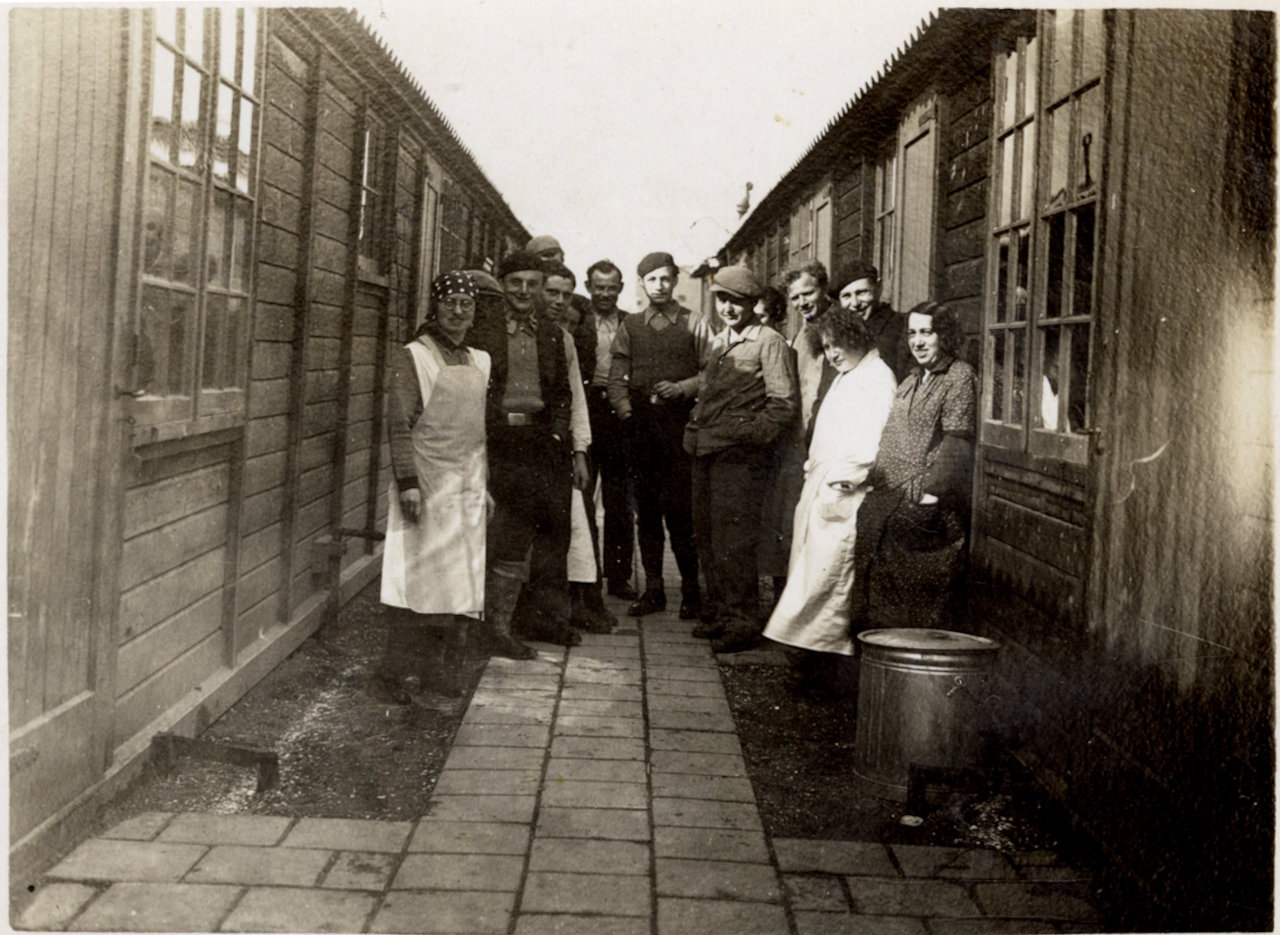
Fig. 3: Zionist immigrants preparing for aliyah in the Werkdorp Wieringermeer, ca. 1938; Collection Jewish Museum Amsterdam. Collection Jaap van Velzen.
The political and socioeconomic situation in the Netherlands was difficult and posed challenges to Jewish refugees. Those who came earlier often still had the opportunity to find work, for instance as tradesmen or maids, or, in the case of members of the Zionist youth movement, as farm apprentices. German-speaking Jews also established hundreds of businesses or moved their corporations from Germany to the Netherlands, which created employment for thousands of refugees as well as Dutch citizens. Most of these businesses were clothing and textile cooperatives, but there were also, for instance, trade firms, chemical factories, and businesses in film, theatre, and publishing. Otto Frank (1889–1980), father of Anne Frank (1929–1945), established N.V. Nederlandsche Opekta Maatschappij, a firm which sold the gelling agent pectin, in Amsterdam in 1933. Refugees who entered the country from the mid-1930s, however, had to deal with the more restrictive refugee policies and measures against unemployment, such as the requirement of permits, which hit the immigrant economy especially hard. They had fewer options and often depended on aid organisations such as the CBJB, also because it became increasingly harder to take money or goods from Nazi Germany. Eventually, refugees who remained in the Netherlands were mostly over forty years old and married, demonstrating that generally those with means of living could afford to stay.
Spatially, Jewish refugees moved into the densely populated west of the Netherlands as well as to more peripheral areas. In the latter case, this was first and foremost in the border regions where they entered the country – cities such as Nijmegen, Eindhoven, Venlo, and Maastricht, and smaller towns where Dutch Jewish communities dwindling in numbers suddenly found themselves in the midst of international turmoil. Eventually, Amsterdam, The Hague, Utrecht, Hilversum, Arnhem, Enschede, Amstelveen, Bussum and Zaandam held considerable German-Jewish communities. German ‘islands’ of, among other things, synagogues, cafés, shops, pensions, and restaurants materialised in the bigger cities, and particularly in the Rivierenbuurt of Amsterdam, a middle class neighbourhood in the south of the city. Enclaving was particularly visible in the Rivierenbuurt’s Beethovenstraat, which was popularly called the ‘Brede Jodenstraat’ – a play on words with the Jodenbreestraat in Amsterdam’s old Jewish quarter. The tram line through the street, line 24, was even called the ‘Berlijn-express.’ As electrician Werner Cahn (1920–present), who came to Amsterdam in 1934 and became an editor of Exilliteratur (publications by refugee authors) at publishing house Querido, phrased it: “From Berlin’s Kurfürstendamm to the Beethovenstraat was not such a big step.” Philo Bregstein/Salvador Bloemgarten (ed.), Herinnering aan Joods Amsterdam. Amsterdam: Uitgeverij De Bezige Bij, 1978, 261.
Although they experienced the Netherlands as a quiet environment, refugees were simultaneously in a position of constant uncertainty and stress in their temporary country of refuge. Despite their escape from Nazi Germany, German Jews also longed for their Heimat. Affiliations with German culture were preserved, for example, through cooking or through art and literature. Most of the associations and institutions these German-speaking refugees established or became members of had a Jewish signature. Jews did not identify with the organised export nationalism of the Germans in the Netherlands at the time. Apart from the obvious Zentralvereinigung deutscher Emigranten, the Dutch branch of which was founded in Amsterdam in 1936, there was the Vereeniging van uit Duitschland uitgeweken Nederlandsche Joden. Moreover, like the Eastern European Jews who had come to the country earlier, German-speaking Jews came together in specific cafés. They talked over Kaffee und Kuchen or played Karten or Schach. Moreover, they established their own clubhouses in several cities, where games were organised, newspapers and books provided, and cultural nights with cabaret or music celebrated. In Amsterdam, the Heim in the shelter facility at the Oosteinde also offered English-language courses for transmigrants. Zionist organisations attracted the young from Germany and Austria and offered them continuity in their activities to prepare for aliyah. In the Werkdorp Nieuwersluis in the Wieringermeerpolder north of Amsterdam, German, not Dutch, was the working language. Moreover, Fritz Bernstein (1890–1971), leader of the Nederlandse Zionistenbond in the first half of the decade, was a German-born Jew who had emigrated to the Netherlands in the early twentieth century, also demonstrating the importance of German Jews to the nature of the Dutch Zionist movement.
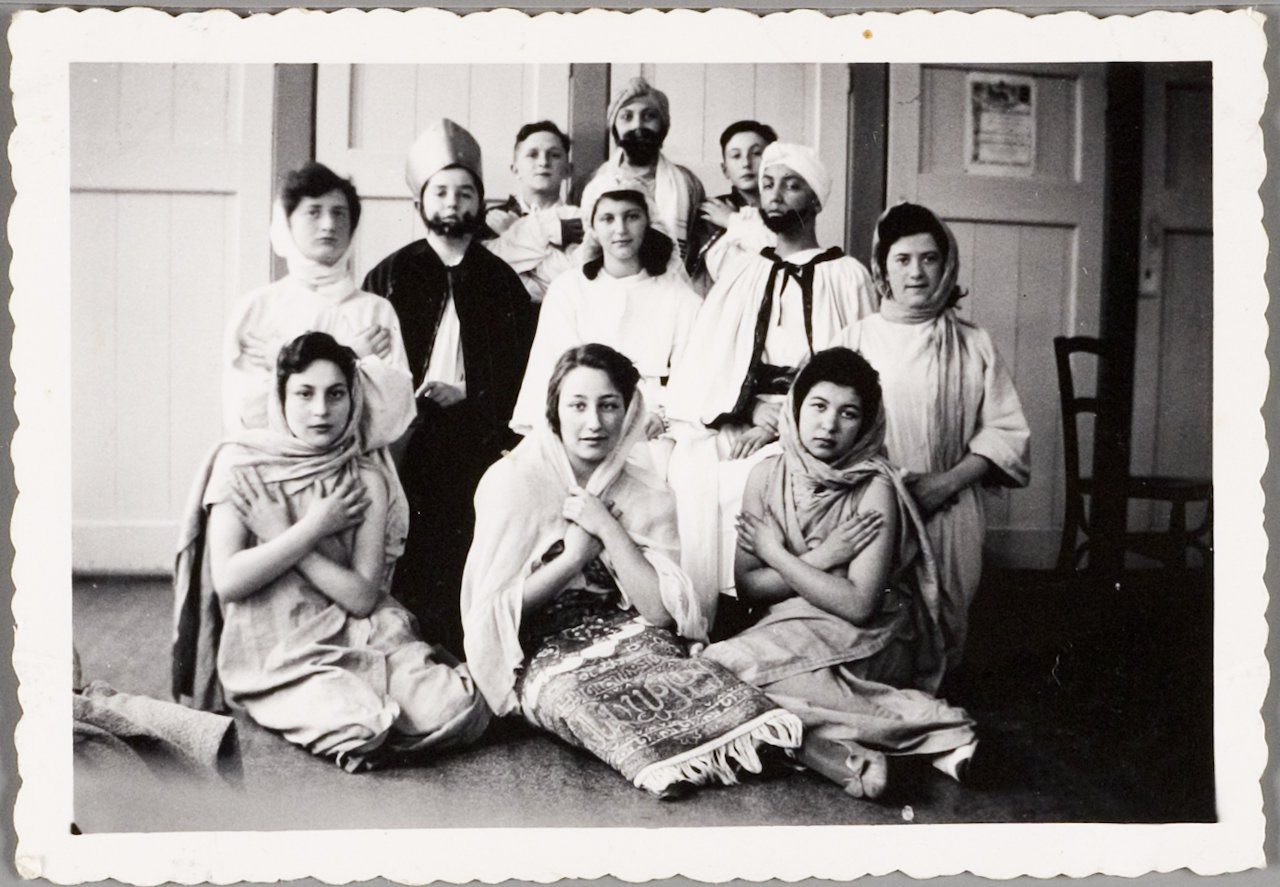
Fig. 4: A group of refugees celebrating Purim in Wijk aan Zee, 1939; Collection Jewish Museum Amsterdam.
The arrival of German-speaking scholars, scientists, and visual and performing artists gave a tremendous brief impulse to the Dutch intellectual and art worlds. The culture in exile was shaped by German-Jewish refugees such as, for example, the publisher Fritz Landshoff (1901–1988), responsible for Querido Verlag, the German branch of the Jewish-owned Dutch publishing house, and Dora Gerson (1899–1943), Erwin Parker (1903–1987), and Kurt Egon Wolff (1911–2001), founders of the Kabarett Ping Pong, the first immigrant cabaret in the country, and the countless people they employed. Although the arrival of famous and talented intellectuals and artists from across the border created competition with their Dutch counterparts, there were plenty of examples of fruitful collaboration. The well-known Dutch Jewish actor and singer Louis Davids (1883–1939), leader of the Kurhauscabaret in Scheveningen since 1931, attracted a lot of German artists. Composer and play-actor Rudolf Nelson (1878–1960) directed his Kabarettensemble in the revue bar La Gaîté in the famous Tuschinski theatre in Amsterdam, owned by Eastern European Jewish cinema operator Abram Tuschinski (1886–1942). Film director Kurt Gerron (1897–1944) worked on several Dutch films after his move to the Netherlands in 1935, and he certainly was not the only one. Behind the scenes, German and Austrian immigrants were overrepresented in Dutch film.
German-speaking Jews also contributed to an important development in Dutch religious life. Due to them, the first contours of Liberal Judaism in the Netherlands became visible in the 1930s. Already before the influx of German-Jewish refugees from 1933, the first Reform community was established in The Hague in 1930, and the Amsterdam one followed suit in 1932. In 1935, the Dutch branch separated from the largely German-oriented community. Liberal Judaism never attracted more than one per cent of Dutch Jewry before World War II. Most of the – at this time about 112,000 – Dutch Jews were members of the moderate Orthodox Nederlands-Israëlitisch Kerkgenootschap. Yet about 80 per cent of German Jews considered themselves Liberal, and the communities in The Hague and Amsterdam had an important social function for German-speaking Jewish refugees. Another part of German Jews, however, mostly coming from Berlin and Frankfurt am Main, integrated seamlessly into Dutch Orthodoxy. Some, such as members of the Eisenmann and Seeligmann families, managed to obtain leading positions within the Dutch Orthodox communities. On multiple occasions, the chief rabbinate of the Orthodox Ashkenazi community of Amsterdam tried to convince German Jews to become members. In 1936, for example, rabbi Lodewijk Sarlouis (1884–1942) spoke to the refugees in Amsterdam, asking them: “We have something here, in the Netherlands, what exists nowhere else in the world: an unbroken Jewish unity. […] Be one with us, form a unity with us, so that we can maintain our rights.” Author unknown, “Godsdienstige opvoeding in school en huis,” in: Nieuw Israëlietisch Weekblad, December 4, 1936, 9. However, most German Jews did not feel at home within the Orthodox community, considering it too provincial and conservative.
Most Dutch Jews, in turn, approached German Jews with a mix of sympathy and support on the one hand, and feelings of distance on the other. They came to the aid of refugees out of philanthropic motives, but also out of fear for antisemitism, which would endanger their own position, and because the Dutch government expected them to do so. Except for refugee aid, Dutch Jews supported their German counterparts with, among other things, special synagogue services for the High Holidays with sermons in German, the export of kosher meat to Nazi Germany, and protests against antisemitic measures of the German government. Dutch Jewish organisations, such as the Joodsche Vrouwenraad, organised all kinds of activities for German-Jewish refugees, and in Amsterdam and The Hague several small-scale initiatives were successful in bringing Dutch and German Jews together, such as the Amsterdamsche Vriendenclub. German-speaking Jewish children often integrated more easily into Dutch society, as they came into regular contact with a Dutch environment and the Dutch language through other children. Moreover, for a more or less successful integration, the occupational domain and neighbourhood demographic also mattered.
In Dutch society at large, feelings of understanding and animosity towards Jewish refugees existed alongside each other. In the economic realm, there were tensions, but migrants with money and contacts were generally welcomed – refugees without proper means of living, however, less so. Non-Jewish Dutch citizens were also critical of their government for its severe refugee policies. Antifascist and anti-Nazi organisations were set up or had members in the Netherlands, by and among Jews and non-Jews alike. At the same time however, there was also antisemitism. For instance, in 1939, IJssalon Koco at the Van Woustraat in Amsterdam, owned by German-Jewish immigrants Alfred Kohn (1890–1945) and Ernst Cahn (1889–1941), was wrecked by an antisemitic gang that raged in the interior and injured several customers. In short, both positive and negative experiences coloured the contact between German-speaking and Dutch Jews, and between the former and Dutch society as a whole in the 1930s. The common denominator was that most people felt relatively safe in the Netherlands. This, however, proved to be a wrong assumption.
At the outbreak of war in the Netherlands, with the German invasion of 10 May 1940, many Jewish refugees in the country tried to flee abroad. The majority, however, failed to reach territory unoccupied by the Nazis. A disproportionately large share of foreign Jews in the Netherlands took their own lives in the first days and months of the occupation, knowing from experience what the Nazis were capable of. When deportations began in 1942, German Jews in the Netherlands were the first to be called up. The first 1,135 Jews, most of them German, were deported to Auschwitz on 15 July of that year. In the years that followed, more than 93,000 Dutch and foreign Jews from the Netherlands were deported to the concentration and extermination camps in Central and Eastern Europe.
Although there were plenty of feelings of togetherness among all Jews, Germans and Dutch alike, during the Nazi occupation, the tensions that also existed became visible particularly at Westerbork, which had now become a transit camp – the main one in the Netherlands. German Jews who had been living there since before the invasion held leading positions and remained in the camp longer, which provoked discontent among Dutch Jews. Although German Jews had been the first to be targeted after the beginning of the occupation, their chances of survival were, on the whole, higher than among Dutch Jews. This was because of their involvement in the Jewish Council (Joodsche Raad), the Jewish representative organisation under Nazi occupation in which refugee organisations CBJB and CJV had been merged, and in the organisation of camp life at Westerbork, and because of their lived experience under Nazism which had paradoxically made them better prepared.
During the war, spaces in which German-speaking Jews had moved and which they had shared with non-Jews during the 1930s were transformed into designated Jewish spaces by the German occupational force. The Rivierenbuurt, for example, became Judenviertel III, one of the neighbourhoods where Jews from all over Amsterdam and eventually the whole of the Netherlands were now forced to live, as one of the steps towards deportation. The Heim at the Oosteinde became part of the large apparatus of the Jewish Council for Amsterdam (Joodsche Raad voor Amsterdam) in 1941. Although it thus functioned within the system of persecution by the Nazis, resistance activities also took place in the former refugee shelter and clubhouse. The resistance group Oosteinde – also known as Van Dien – operated from there, forging documents, providing food for people in hiding, and disseminating illegal newspapers such as De Waarheid and Het Parool. Dutch and German Jews collaborated in resistance activities, including in smuggling Jews out of the deportation centre Hollandsche Schouwburg, overseen by its administrator, the German-Jewish refugee Walter Süskind (1906–1945), and out of Westerbork. The resistance group included, for example, the refugees Max Gruber (1921–1990), Alice David (1909–1996), Werner Stertzenbach (1909–2003), Susanne Heynemann (1913–2009), and Uschi Littmann (1921–2016), and Dutch Jews Stella Pach (1910–1992), Rosey Pool (1905–1971), and Jacques van de Kar (1917–2008). After the war, a section of the resistance group would have a short-lived afterlife as the Vereeniging van Duitsche en Statenlooze Anti-Fascisten or Verein Deutscher und Staatenloser Antifaschisten, with Jewish and non-Jewish members.
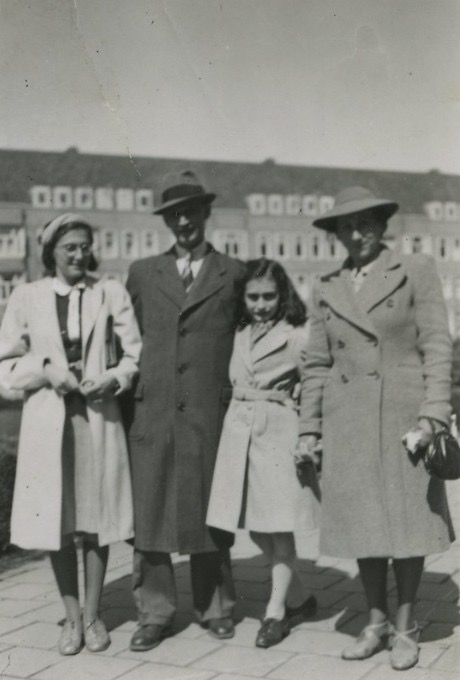
Fig. 5: The Frank family at the Merwedeplein in Amsterdam’s Rivierenbuurt, 1941; Anne Frank Stichting, Amsterdam / ANNE FRANK FONDS photo archive.
After the liberation of the Netherlands in May 1945, the small group of survivors of the Shoah returned over the course of the summer and autumn. At first, there were few non-Dutch Jews among them, as repatriation procedures were strict and initially did not include former refugees who had remained in the Netherlands at the time of the invasion. Eventually, most returned to the country, but many of these German Jews awaited an unpleasant surprise upon their return to their former country of refuge. They had been declared stateless by the Nazi decree of 25 November 1941. However, like in the case of their non-Jewish (former) compatriots, their assets were declared ‘enemy property’. In the immediate post-war period, pre-war citizens from Germany who had emigrated to the Netherlands were still considered German nationals – no exceptions were made for Jews. A declaration of ‘de-enemisation’ could only be obtained when in possession of evidence of anti-Nazi wartime behaviour or deportation to death camps.
Only a minority of former German and Austrian refugees returned to their homelands in the post-war years. Many became naturalised Dutch citizens if they decided to stay at all. Thousands of Jews emigrated from the Netherlands after 1945, mainly to the United States and Canada, but also to Palestine/Israel. The departure of former German Jews also meant a reconsideration of the future for the still very much German-dominated Liberal Jewish religious community. The Liberaal Joodse Gemeente redefined itself in 1954, now as a Dutch Jewish rather than German-Jewish community – with a Dutch rabbi, Jaap Soetendorp, and oriented towards the Anglo-Saxon Reform tradition and world of experience. In the sociocultural domain, the pre-war existing Oost-Joodsch Verbond, an association of Eastern European Jews, was transformed into the Verbond van Midden- en Oost-Europese Joden, and now also came to include a number of German and Austrian Jews. German, Yiddish, and Dutch were the working languages. On the whole, most German-speaking Jews in the Netherlands in the post-war reconstruction years integrated into the Dutch Jewish religious communities and social and cultural networks. This applied especially to the diverging organisations within the wider Dutch Zionist movement, where German remained the working language for a long time after the war, making the Dutch case unique within world Zionism where English had become dominant during this period.
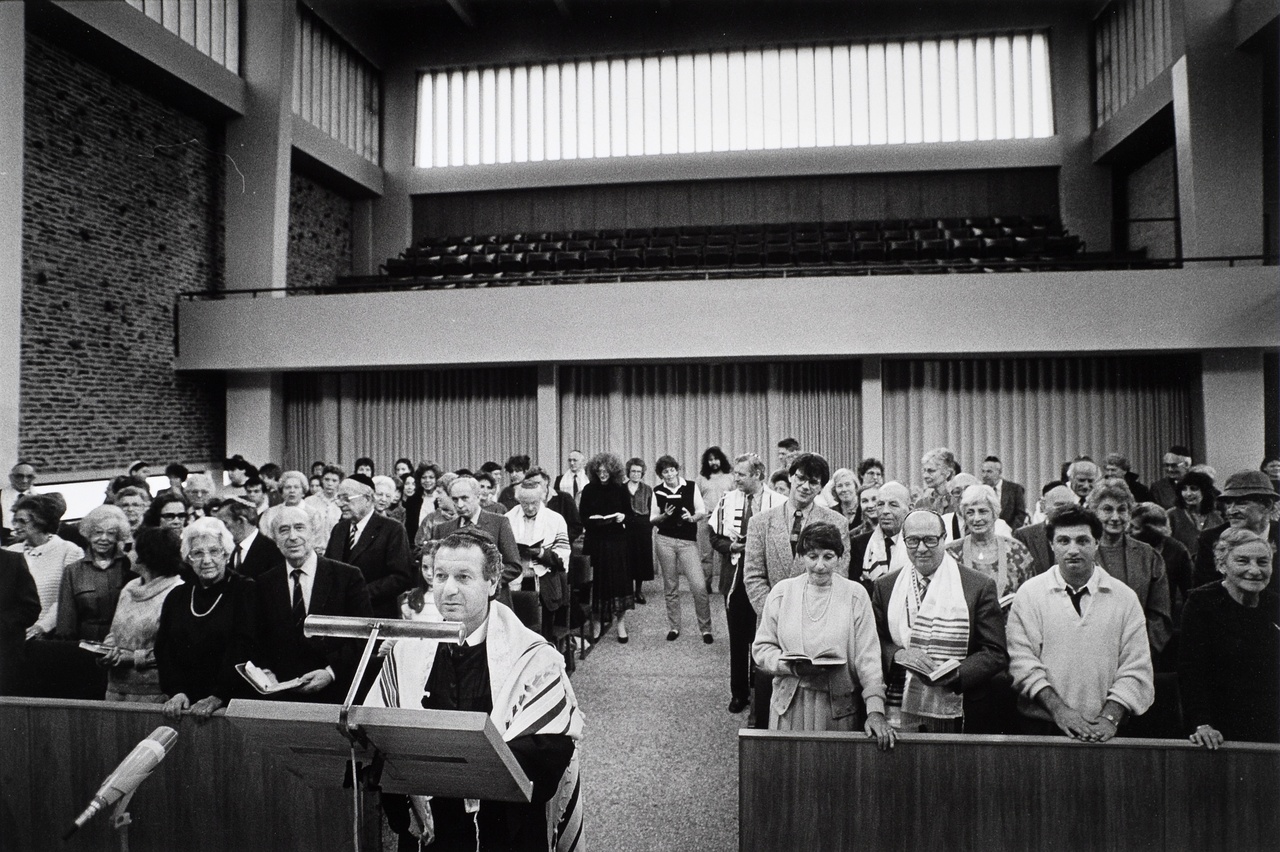
Fig. 6: A synagogue service of the Liberaal Joodse Gemeente at the Jacob Soetendorpstraat in Amsterdam, 1985; © Bert Nienhuis / MAI.
The general historiography on German-speaking Jews in the Netherlands has mostly focused on state policies for refugees rather than on the individual experiences of these Jews themselves. Nevertheless, well-known first-generation German-speaking Jews – among them Jews originally from other countries such as Poland and Hungary – have left their mark on post-war Dutch life, predominantly in the cultural-artistic and academic-intellectual worlds. Examples are Rudolf Meyer (1901–1969) in the film industry, the psychoanalyst and writer Hans Keilson (1909–2011), the journalist Herman Bleich (1917–1995), the sociologist and writer Gerhard Durlacher (1928–1996), the photographer Éva Besnyő (1910–2003), and the historians Hermann von der Dunk (1928–2018) and Rena Fuks-Mansfeld (1930–2012). Their descendants are almost completely integrated in Dutch Jewish society today, even though some cherish their German-Jewish background and assemble with some frequency as a Kaffee und Kuchen Gesellschaft in Amsterdam near the Beethovenstraat. Only in recent years more attention has been paid to the bulk of German and Austrian Jews’ lives after migrating to the Netherlands, deservedly focusing on the Netherlands as a mostly overlooked centre of the German-Jewish diaspora.
DOKIN or German War Children in the Netherlands is a website curated by Miriam Keesing documenting the experiences of Jewish children from the Third Reich who came to the Netherlands after November 9, 1938: https://www.dokin.nl/
On the website of the Joods Cultureel Kwartier, digitised archival material such as photographs, diaries, letters, broadsides, and other materials on German-speaking Jews in the Netherlands can be found, including ego documents donated by individuals and families themselves: https://collections.jck.nl/search/Welcome
On the website of Herinneringscentrum Kamp Westerbork, more information is listed about the time the site functioned as a refugee camp during the 1930s and as a transit camp during World War II: https://kampwesterbork.nl/collectie?id=8
Ik bedek mijn Schmerz met mijn nerts (1999), directed by Renée Sanders and Ewald Wels, is a documentary film about three German-Jewish women who settled in Amsterdam’s Beethovenstraat neighbourhood in the 1930s: https://www.at5.nl/artikelen/206731/documentaire-ik-bedek-mijn-schmertz-met-mijn-nerts-opnieuw-te-zien-bij-at5
Süskind (2008), directed by Rudolf van den Berg, is a feature film about German-Jewish refugee Walter Süskind, administrator of Amsterdam’s main deportation site during World War II, the Hollandsche Schouwburg: https://www.vprogids.nl/cinema/films/film~8464111~s%C3%BCskind~.html#waar-te-zien
Ongewenste vreemdelingen (2015) is a short tv episode of Dutch documentary series Andere Tijden about German-Jewish refugees in the Netherlands: https://anderetijden.nl/aflevering/8/Ongewenste-vreemdelingen
Tirtsah Levie Bernfeld and Bart Wallet, “1933. Komst Duitse Joden,” in: Canon van Joods Nederland, https://joodsecanon.nl/34z/1933-Komst-Duitse-Joden/
Mila Ernst, Annemarie Cottaar, Leo Lucassen, Susan Leclercq, and Erhan Tuskan, “Duits-Joodse vluchtelingen Nazi-regime” & “Oostenrijks-Joodse vluchtelingen Nazi-regime,” in: Vijf Eeuwen Migratie, https://vijfeeuwenmigratie.nl/migratiebeweging/duits-joodse-vluchtelingen-nazi-regime & https://vijfeeuwenmigratie.nl/migratiebeweging/oostenrijks-joodse-vluchtelingen-nazi-regime
This work is licensed under a Creative Commons Attribution - Non commercial - No Derivatives 4.0 International License. As long as the material is unedited and you give appropriate credit according to the Recommended Citation, you may reuse and redistribute it in any medium or format for non-commercial purposes.
Dr. Sietske van der Veen is a historian of Jewish history. Her research interests include Jewish places and spaces, Jewish elites, and Jewish belonging in the modern period. She is a researcher and lecturer at the University of Amsterdam, in the Department of Hebrew and Jewish Studies and the Amsterdam School of Historical Studies. She is the review editor of the European Journal of Jewish Studies, an affiliated researcher to the collaborative European research project Jewish Country Houses, University of Oxford, and secretary of the board of the Dutch Association for Jewish Studies. Her first monograph, entitled The Jewish Dutch Elite in Transition: Patterns of Social Mobility and Integration, 1870-1940, was published with Brill in 2026.
Sietske van der Veen, Site of Transmigration and Long-time Diasporic Centre: The Netherlands as a Home to German-speaking Jews, in: (Hi)stories of the German-Jewish Diaspora, June 24, 2026. <https://diaspora.jewish-history-online.net/article/gjd:article-61> [September 24, 2026].
 This work is licensed under a Creative Commons Attribution - Non commercial - No Derivatives 4.0 International License. As long as the material is unedited and you give appropriate credit according to the Recommended Citation, you may reuse and redistribute it in any medium or format for non-commercial purposes.